In 2026, the way businesses generate leads has evolved dramatically....
Read MoreTable of Content

A well-structured sales pipeline ensures every prospect is tracked, nurtured, and guided toward purchase. This guide explores the essentials of pipeline management, the tools needed, and best practices for 2026, helping businesses transform opportunities into consistent growth.
A sales pipeline is a visual representation of the sales process. It maps out the journey a prospect takes from initial contact to becoming a paying customer. By understanding and tracking each stage of your pipeline, businesses can forecast revenue more accurately, optimize sales strategies, and eliminate bottlenecks.
Lead Generation: Attracting potential customers through ads, referrals, social media, or inbound marketing.
Lead Qualification: Determining which leads are worth pursuing based on interest, budget, and fit.
Engagement and Proposal: Engaging qualified leads with personalized communication and presenting solutions.
Negotiation and Closing: Finalizing terms and converting prospects into customers.
Post-Sale Follow-up: Building relationships for repeat business, referrals, and long-term loyalty.
Understanding these stages is crucial because it allows sales teams to focus efforts on the right leads at the right time.
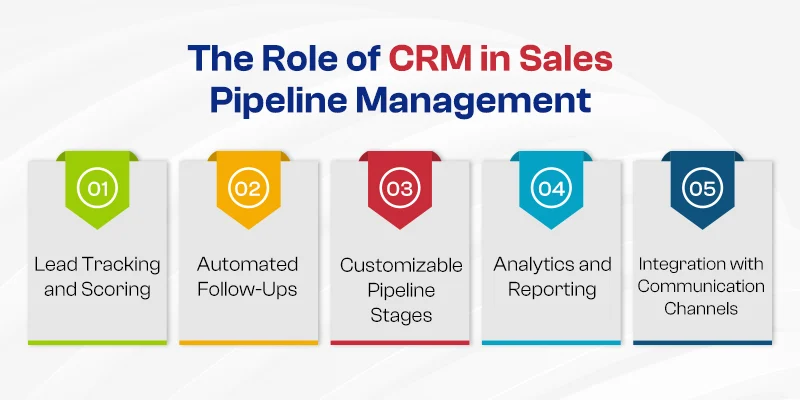
By using a CRM, businesses can manage more leads without increasing workload, ensuring that opportunities move smoothly through the pipeline.
Even with a pipeline, businesses face challenges. Understanding these hurdles and solutions ensures smoother operations:
Stagnant Leads: Leads may get stuck in a stage without progress. 
Solution: Regularly review your pipeline and move or remove stagnant leads. 
Data Overload: Too much information can overwhelm teams.   
Solution: Use CRM dashboards to focus on actionable insights. 
Lack of Consistency: Different team members may follow different processes.   
Solution: Standardize pipeline stages and sales activities across the team. 
Missed Opportunities: Leads can fall through the cracks.     
Solution: Automate reminders and maintain regular follow-ups. 
Following these practices ensures your sales pipeline is not just a process but a growth engine for your business.
Explore More Related Articles
Discover ways to connect with your customers with our CRM software.